View Quote 0
When “More” Becomes a Risk: The Hidden Cost of Over-Lubrication
Articles Case Studies

When “More” Becomes a Risk: The Hidden Cost of Over-Lubrication

An Atten2 Original Case Study on how over-lubrication can be just as damaging as too little lubrication.

Related Articles

Improving Gearbox Test Consistency with Atten[2] OilWear Sensor
Reliable gearbox validation with accurate oil cleanliness monitoring in bubbly conditions. This case study shows...
Case Studies Articles
Webinar // Mining 4.0: Maximizing Uptime in Critical Machinery with Advanced Monitoring
Join us for an insightful webinar focused on Mining 4.0 and how advanced condition monitoring is transforming...
Webinar Articles

Related Articles

Imagine seeing Structural Movements & Vibrations
The patented technology used by RDI enables the measurement of deflection, displacement, movement, and vibration,...
Articles
Presenting the Automated Microscopic Particle Counter from Yellotec
Yellotec is proud to present their in-house designed and constructed Automated Microscopic Particle Counter (AMPC)...
Articles

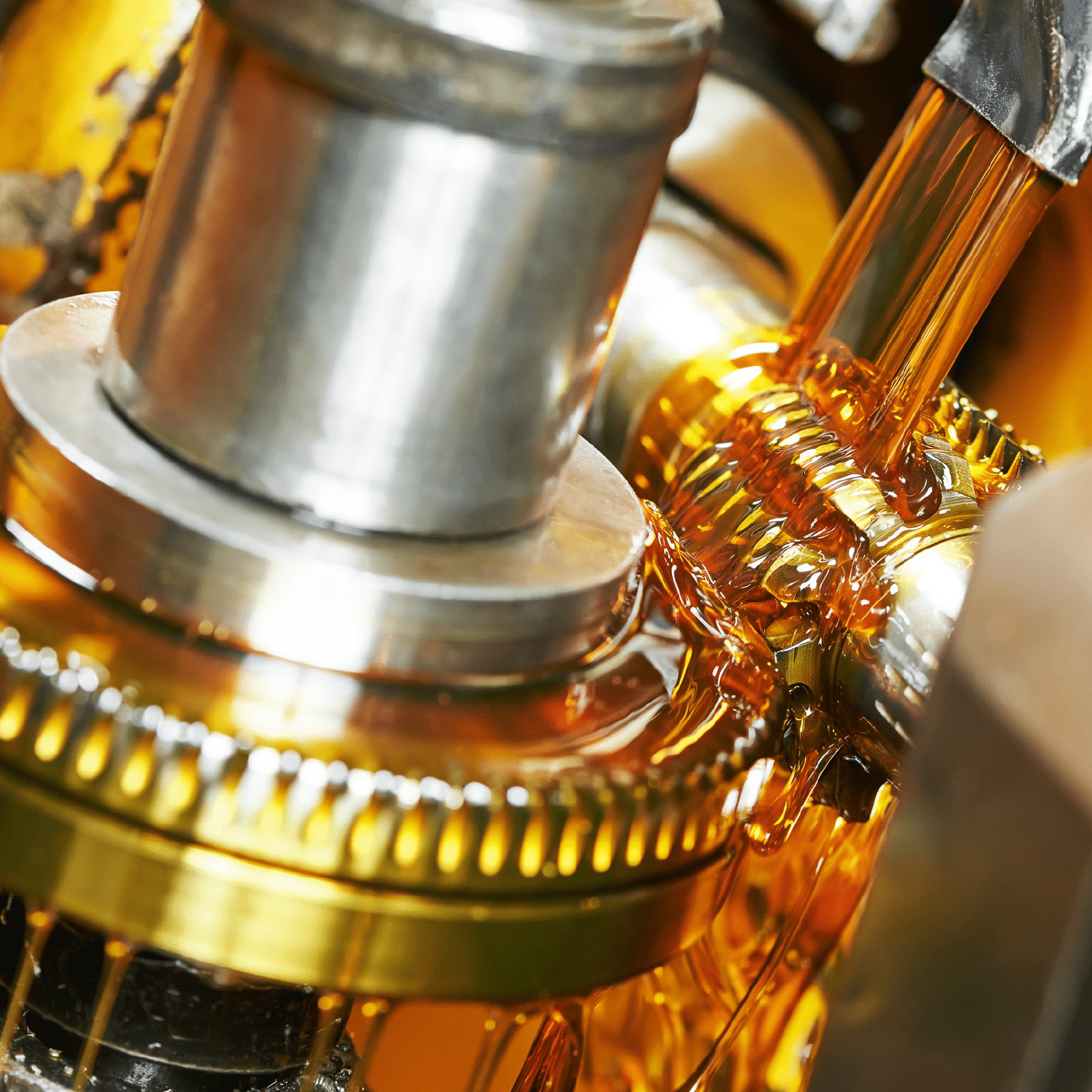
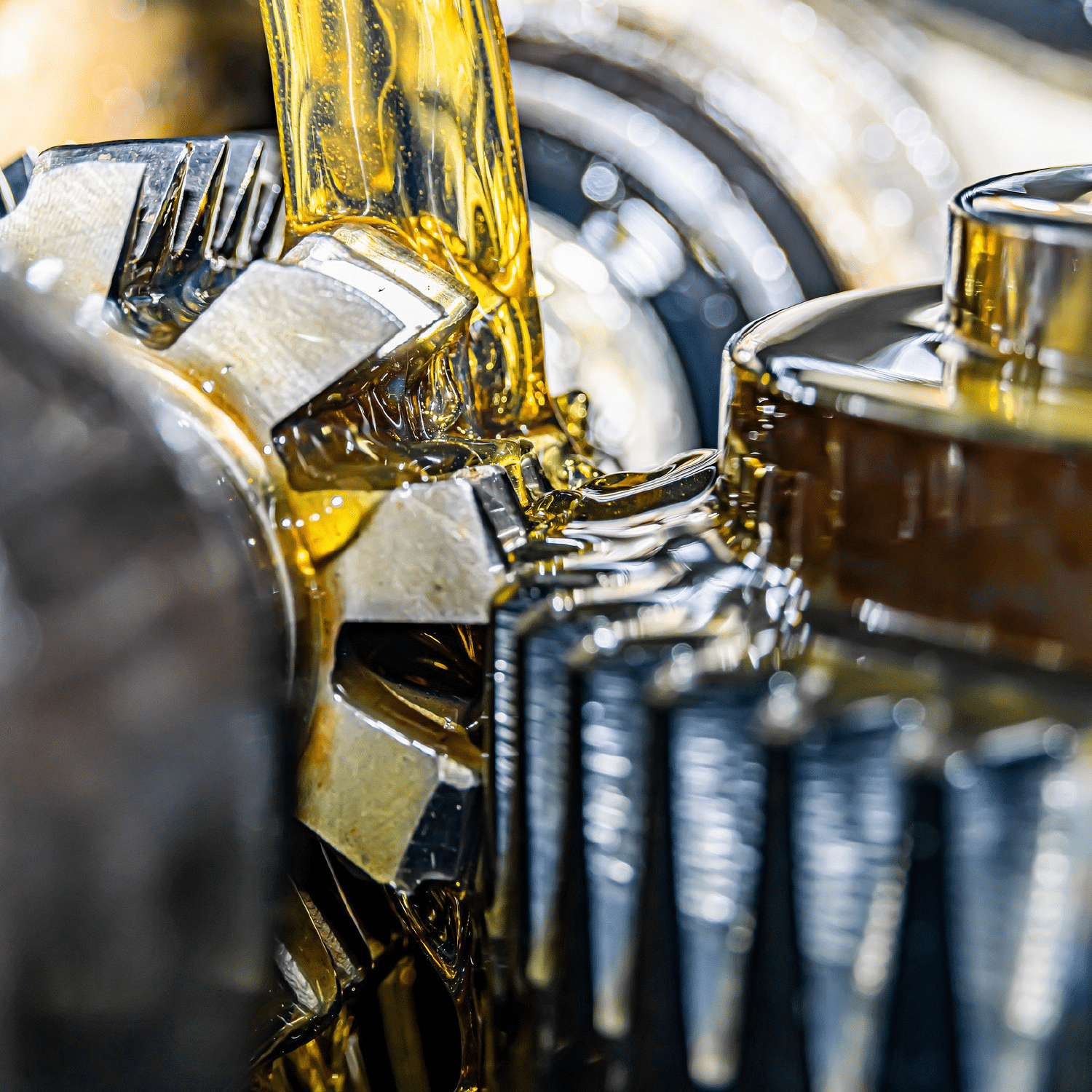
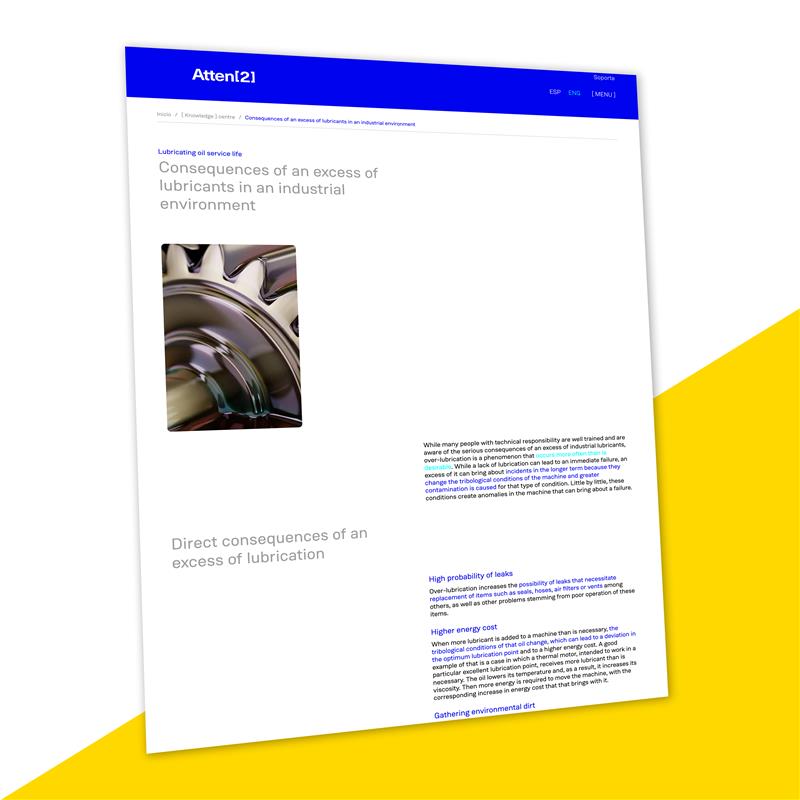
Discover How Excess Lubrication Leads to Higher Costs, Equipment Damage, and Unplanned Downtime.
ViewArticleImage Atten2 CaseStudy Jan26

In this Atten2 Original Case Study, over-lubrication is shown to be just as damaging as insufficient lubrication, disrupting optimal machine operation.

Excess lubricant leads to leaks, contamination, increased energy consumption, heat buildup, seal damage, and even electric motor failures—resulting in unplanned downtime, higher maintenance costs, and environmental risks.

Article Highlights:

  • Over-lubrication is as damaging as under-lubrication, leading to premature equipment failure.
  • Excess lubricant increases pressure, causing seal damage, leaks, and contamination ingress.
  • Higher energy consumption occurs as lubrication moves away from optimal operating conditions.
  • Dirt and contaminants accumulate when surplus lubricant is exposed to the environment.
  • Heat buildup and oil degradation accelerate wear and reduce lubricant effectiveness.
  • Electric motors are at risk, as excess grease can enter windings and cause overheating or failure.
  • Unplanned downtime and environmental costs rise due to leaks, cleanup, and maintenance issues.

Key Takeaway:

An excess of industrial lubricants, just like too little lubrication—can seriously harm machinery by disrupting optimal lubrication conditions, leading to leaks, increased energy use, contamination, accelerated wear, and even equipment failure. This highlights the importance of precise lubrication control and monitoring to maintain machine performance, reduce breakdowns, and avoid environmental and operational costs. 
Related Articles

FLIR Thermal Cameras Pricing Guide
The most common reason someone doesn’t contact a thermal camera supplier in South Africa isn’t...
Articles
FLIR Thermal Cameras South Africa: An Authorised Distributor’s Complete Buyer’s Guide
If you’ve landed here, you’ve already done the hard part of your research. You know...
Articles
What Is a Thermal Camera? How Infrared Imaging Works for Industrial Inspection
Every piece of industrial equipment announces its problems before it fails. Bearings run hotter as...
Articles
Why Yellotec’s Calibration Services Are Critical for Reliable Condition Monitoring
In today’s data-driven maintenance environment, the accuracy of your measurement equipment directly impacts your ability...
Articles

Featured Links

Currently no products have been added to your quote.
Spectrum Two FTIR
ROTALIGN Touch
OPTALIGN touch
SHAFTALIGN® touch
ROTALIGN touch EX
PARALIGN Service
PULLALIGN